Part of the guide: Mushrooms: A Complete Guide to Identification, Cooking, and Cultivation
The Two Lifestyles of Fungi
Fungi that live on dead organic matter (saprotrophs) and those that form nutrient‑sharing relationships with plant roots (mycorrhizal fungi) look similar to the naked eye, but their genomes reveal very different strategies. Saprotrophs break down cellulose, lignin and other complex polymers, while mycorrhizal partners invest in genes that help them communicate with plants and exchange nutrients.
Gene Families for Breaking Down Plant Waste
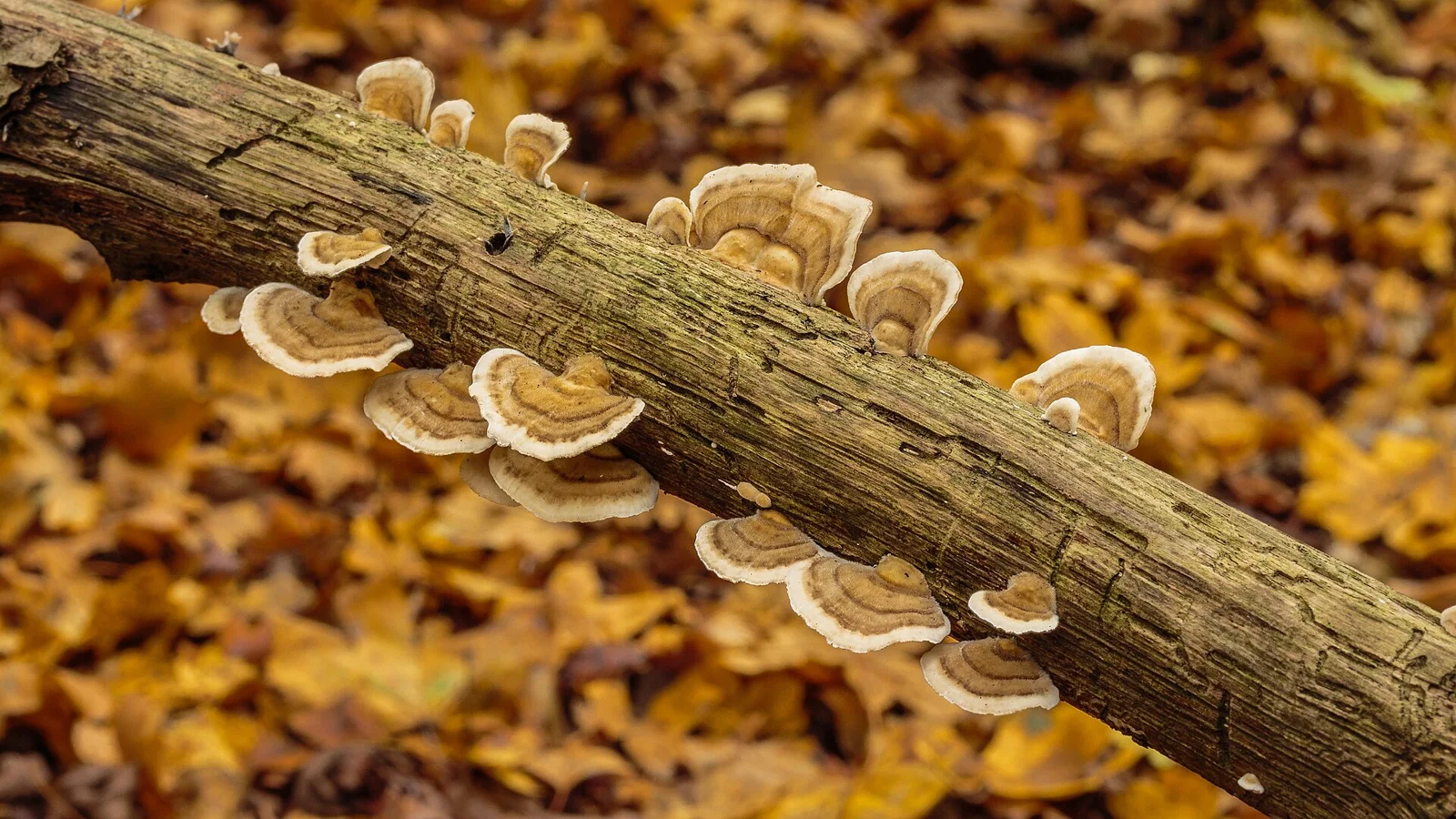
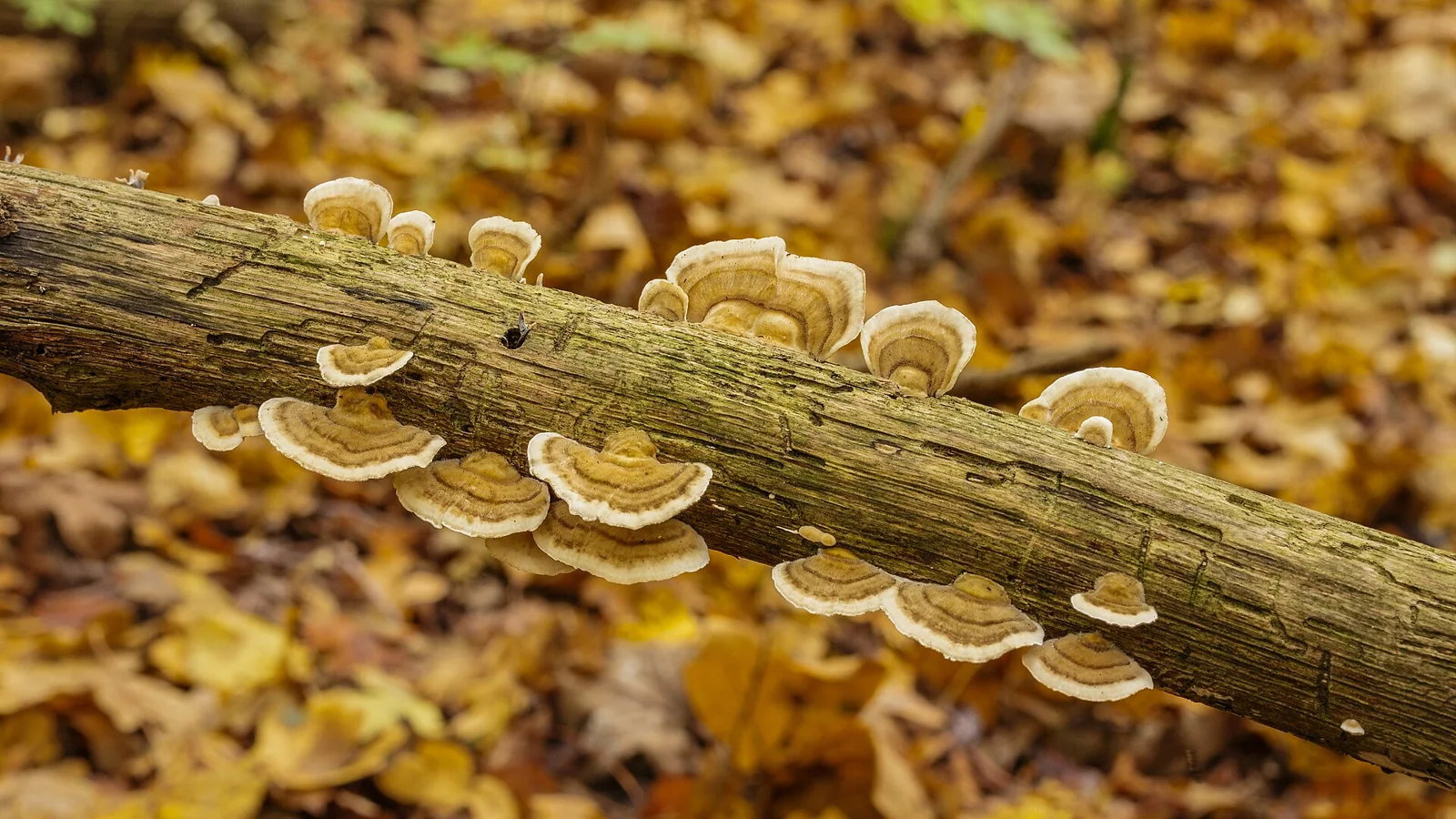
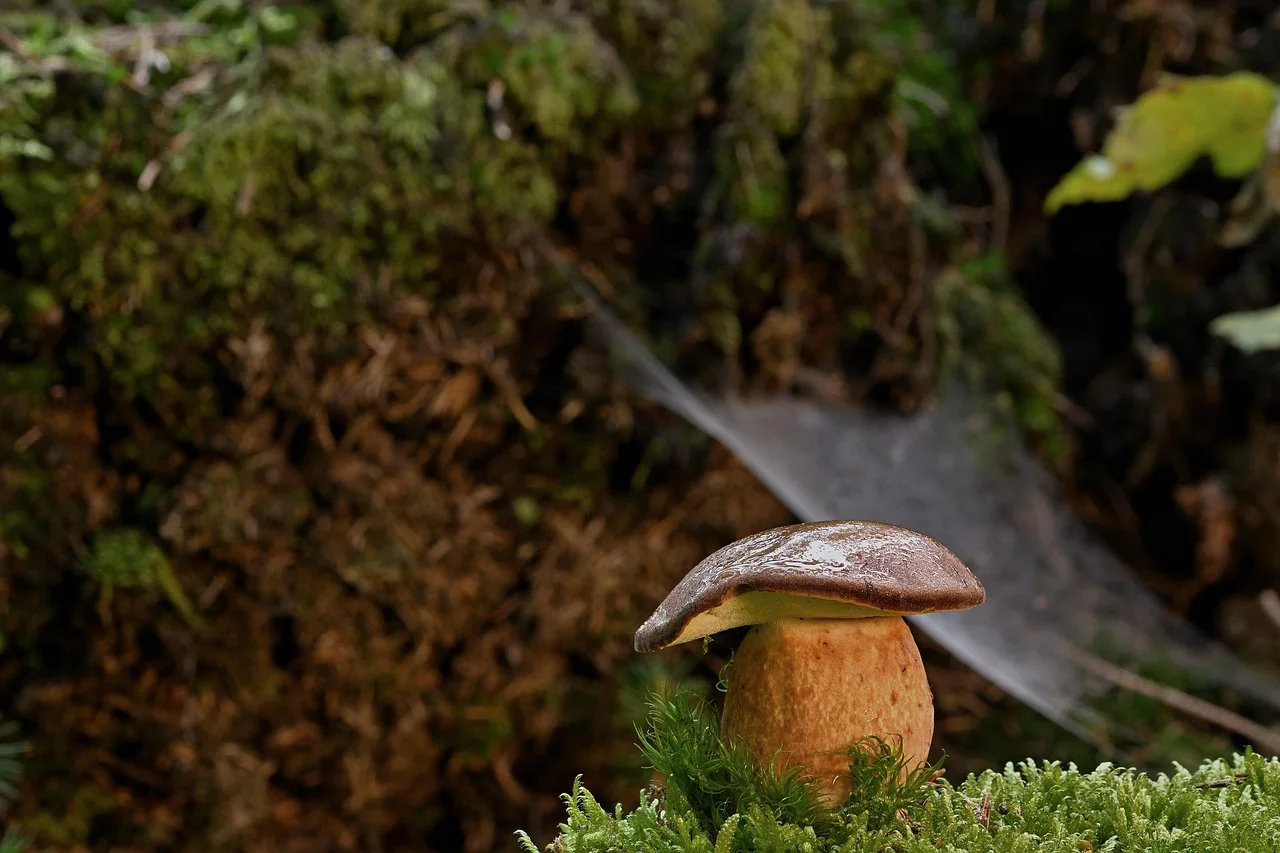
Saprotrophic genomes are packed with enzymes called carbohydrate‑active enzymes (CAZymes). Studies of species such as Pleurotus ostreatus and Trametes versicolor show expansions in families like GH5, GH6 and AA9, which target cellulose and lignin (Floudas et al., 2012). These enzymes are secreted in large amounts, allowing the fungus to penetrate wood and leaf litter and release sugars that fuel its growth.
Reduced Enzyme Repertoires in Mycorrhizal Fungi
In contrast, many ectomycorrhizal (ECM) and arbuscular mycorrhizal (AM) fungi have lost most of the CAZyme arsenal. Genomes of Laccaria bicolor and Rhizophagus irregularis contain only a fraction of the cellulases found in saprotrophs (Kohler et al., 2015). The reduction reflects a reliance on plant‑derived carbon; the host supplies sugars in exchange for fungal‑provided phosphorus, nitrogen or water.
Expansion of Symbiosis‑Related Genes
Mycorrhizal fungi compensate for the loss of degradative enzymes by expanding gene families involved in signaling and nutrient transport. Small secreted proteins (SSPs), sometimes called “mycorrhiza‑induced proteins,” are abundant in ECM genomes and appear to modulate plant immune responses (Plett et al., 2014). Transporter families such as the phosphate‑specific transporter (PHT) and ammonium transporter (AMT) are also amplified, enabling efficient uptake and delivery of nutrients to the plant partner.
Genome Size and Repetitive Elements
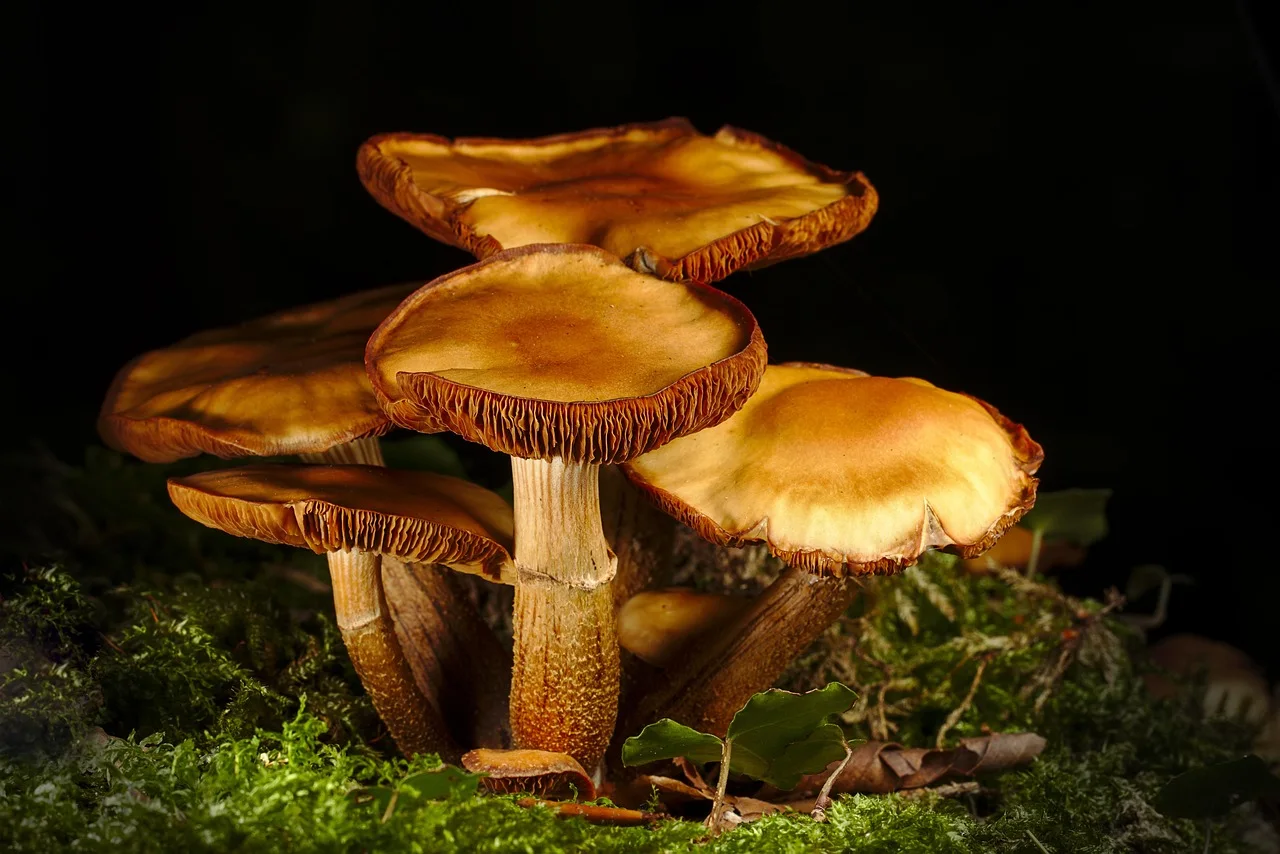
Another striking difference is genome size. Many ECM fungi possess large, repeat‑rich genomes—Laccaria bicolor has ~65 Mb, while saprotrophs like Pleurotus are often under 40 Mb (Kohler et al., 2015). The abundance of transposable elements may provide raw material for the evolution of new symbiosis genes, but it also inflates genome size.
Ecological Implications of Genomic Trade‑offs
These genomic patterns explain why saprotrophs dominate dead‑wood niches, rapidly decomposing organic matter, whereas mycorrhizal fungi excel in stable, plant‑rich environments. The loss of costly enzyme systems frees up metabolic resources for the production of SSPs and transporters that sustain the mutualistic exchange.
From Earth to Mars: Why the Differences Matter
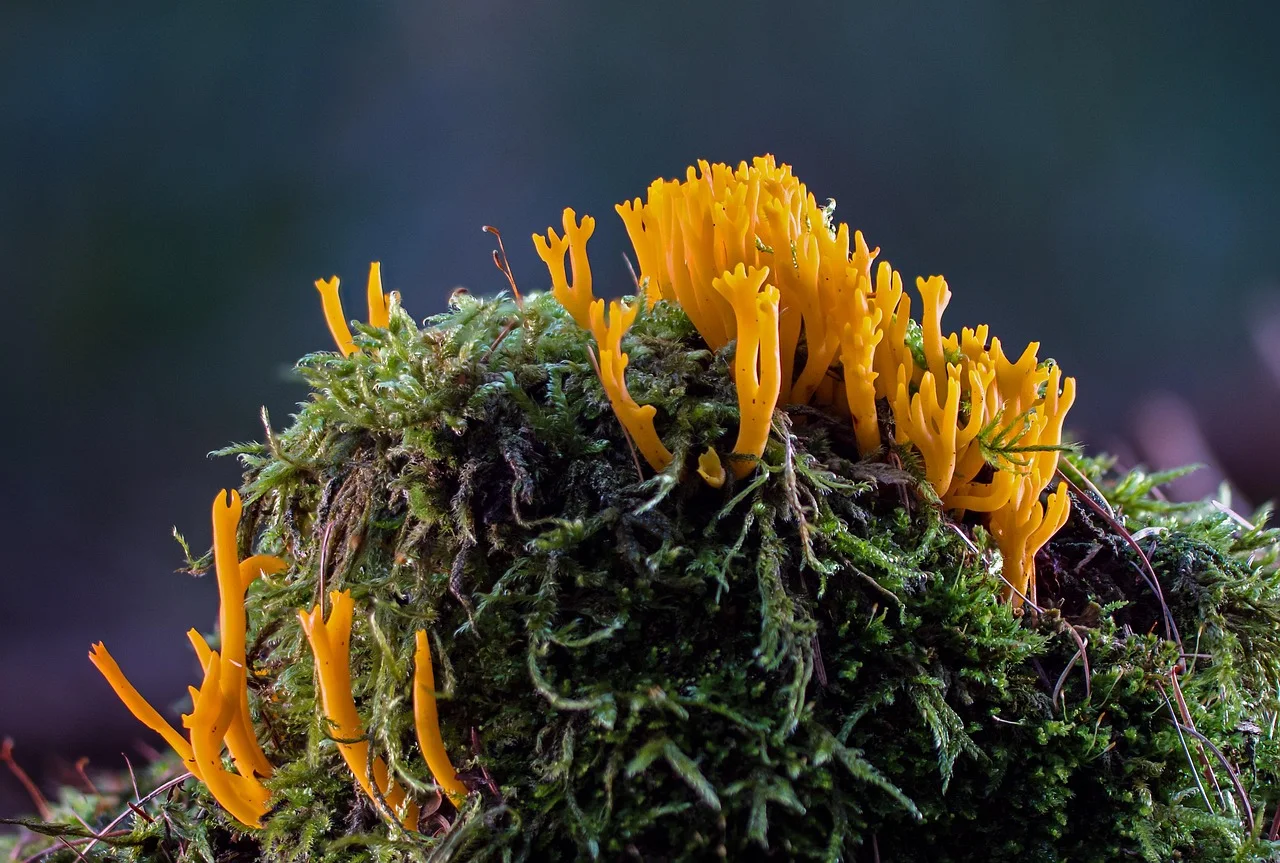
Understanding these adaptations helps scientists design fungal partners for future space habitats. A saprotrophic strain could recycle organic waste, while a mycorrhizal partner might support plant growth in closed‑loop life‑support systems—both essential steps toward sending mushrooms to Mars.
Sources
- The Paleozoic origin of enzymatic lignocellulose decomposition by fungi
- Large-scale genome sequencing of mycorrhizal fungi reveals the evolution of symbiotic traits
- Small secreted proteins in ectomycorrhizal symbiosis
This article is for general information only and is not medical advice. Do not use it to diagnose or treat any condition; talk to a doctor about health questions.
This article was prepared with AI assistance from the sources listed above and approved by the Mushroom 2 Mars team before publication.