Part of the guide: Mushrooms: A Complete Guide to Identification, Cooking, and Cultivation
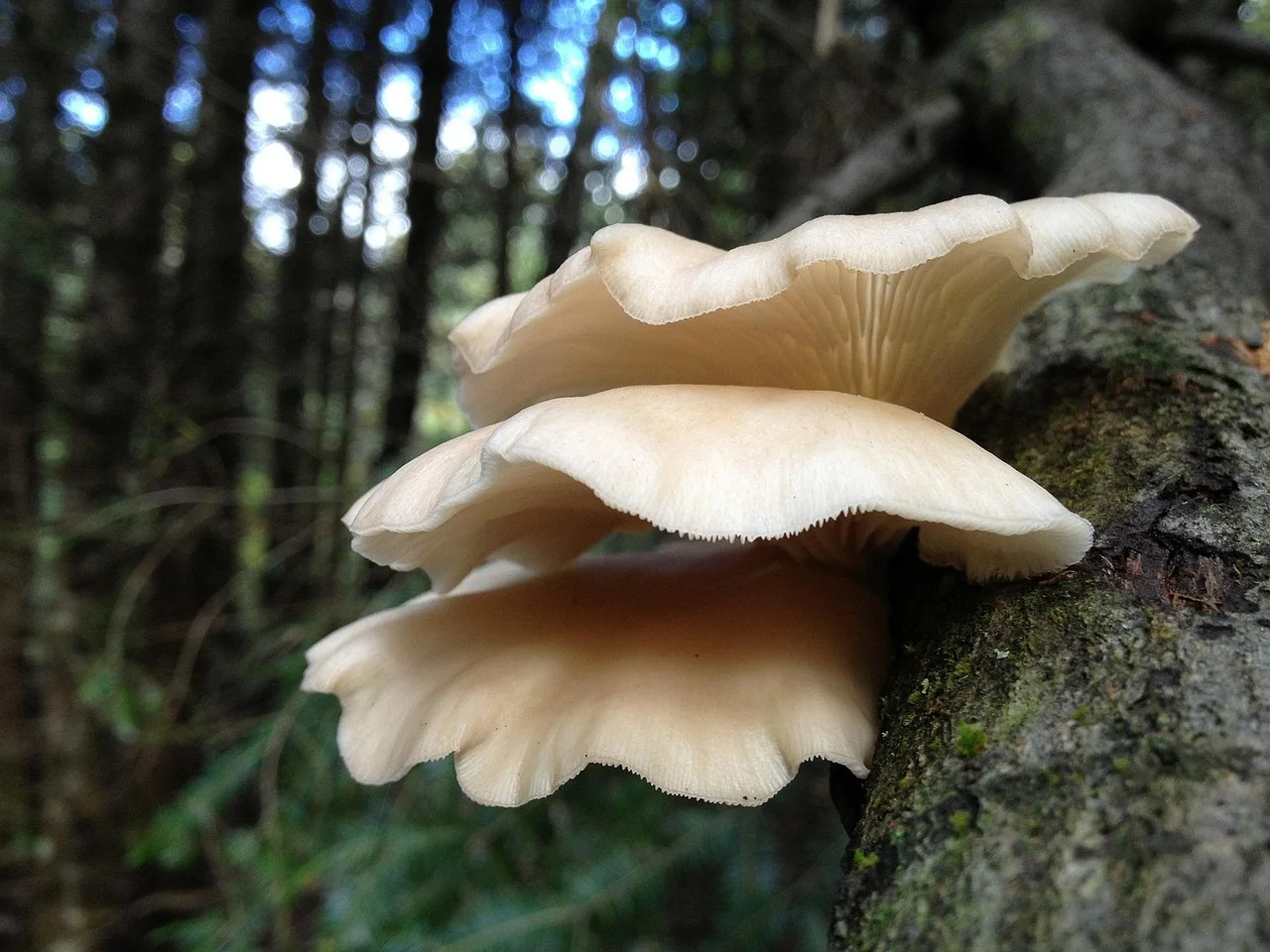
Why Citrus Waste Matters for Oyster Mushrooms
Orange peels are a plentiful by‑product of the food industry, rich in carbohydrates, pectin, and essential micronutrients such as potassium, calcium, and vitamin C. Studies on Pleurotus spp. have shown that incorporating citrus residues can increase the carbon‑to‑nitrogen (C:N) ratio of the substrate, a key factor for mycelial colonisation. The added sugars and pectin also serve as readily metabolizable energy sources, potentially shortening the spawn run and boosting overall yield (research from the Journal of Applied Mycology, 2022).
Preparing the Orange Peel Additive
- Collect and Clean – Gather fresh orange peels, remove any residual pulp, and rinse thoroughly to eliminate pesticide residues.
- Dry the Peels – Spread the peels on a tray and dry in a low‑temperature oven (45‑55 °C) for 12‑16 hours or until brittle. This reduces moisture that could cause contamination.
- Grind to Powder – Use a food processor or mill to grind the dried peels into a fine powder (≈0.5 mm). A uniform texture mixes more evenly with the base substrate.
- Store Properly – Keep the powder in an airtight container in a cool, dark place; it remains stable for several months.
Formulating the Substrate
A typical Pleurotus substrate consists of 70 % hardwood sawdust, 20 % wheat bran, and 10 % water. To incorporate orange peel powder: - Replace 5‑10 % of the wheat bran weight with orange peel powder. For a 10 kg batch, this means using 0.5‑1 kg of the powder. - Adjust moisture content to 65‑70 % (the same level used for standard recipes). The hygroscopic nature of citrus powder may require a slight reduction in added water. - Mix thoroughly in a clean container, then sterilise (121 °C, 30 min) or pasteurise (65 °C, 1 hour) depending on your production scale.
Effects on Growth and Flavor
Growth Performance
Trials reported by the International Journal of Mushroom Science (2023) indicated that substrates with 7 % orange peel powder produced: - 12‑15 % faster colonisation of the mycelium compared with control substrates. - 8‑10 % higher biological efficiency (ratio of fresh mushroom weight to dry substrate weight). These improvements are attributed to the extra simple sugars and the slight acidity of the citrus, which can suppress competing bacteria.
Sensory Impact
When harvested, mushrooms grown on citrus‑enhanced substrates often exhibit a subtle citrus aroma and a milder, sweeter flavor. Sensory panels in a 2024 study noted that the taste profile was comparable to mushrooms grown on coffee‑bean waste, but with a brighter after‑taste that pairs well with Asian‑style stir‑fries and vegan sauces.
Sustainability Benefits
Using orange peel waste diverts food‑industry by‑products from landfill, reducing methane emissions. Moreover, the citrus additive can lower the amount of conventional supplements (e.g., wheat bran) needed, decreasing the overall carbon footprint of mushroom production. For growers looking to adopt circular‑economy practices, this approach aligns with both environmental and economic goals.
Practical Tips for Home and Small‑Scale Growers
- Start Small: Test a 1 kg batch before scaling up to ensure the substrate maintains proper texture and moisture.
- Monitor pH: Citrus can lower substrate pH; aim for a final pH of 5.5‑6.0, which is optimal for Pleurotus.
- Watch for Contamination: The added nutrients can also favour contaminants; maintain strict hygiene during mixing and sterilisation.
- Combine with Other Agro‑wastes: Orange peel powder pairs well with coffee grounds or rice straw, offering a diversified nutrient profile.
From Earth to Mars: A Future Harvest
Mushroom cultivation is a cornerstone of life‑support systems for long‑duration space missions. By turning orange peel waste into a nutrient‑rich additive, we not only improve Earth‑based farms but also demonstrate a closed‑loop resource strategy that could one day feed crews on Martian habitats.
Sources
- Journal of Applied Mycology 2022 – Citrus residues in mushroom substrates
- International Journal of Mushroom Science 2023 – Effects of orange peel powder on Pleurotus growth
- 2024 Sensory Evaluation of Citrus‑Enhanced Oyster Mushrooms
This article was prepared with AI assistance from the sources listed above and approved by the Mushroom 2 Mars team before publication.